
Period Pain Can Signal a Deeper Gynecological Problem
For generations, many women have grown up believing that painful periods, heavy bleeding, or constant lower abdominal discomfort area normal part of womanhood. Dr Megha Agrawal, a gynaecologist at Shalby Hospitals, Indore shares, “This belief often leads women to ignore symptoms for years. In my experience, what is commonly dismissed as routine menstrual discomfort is frequently linked to underlying gynecological conditions such as adenomyosis and uterine fibroids. These disorders are wide-spread yet remain under-diagnosed, resulting in prolonged physical distress and emotional strain for many women.”
Uterine Fibroids and Adenomyosis
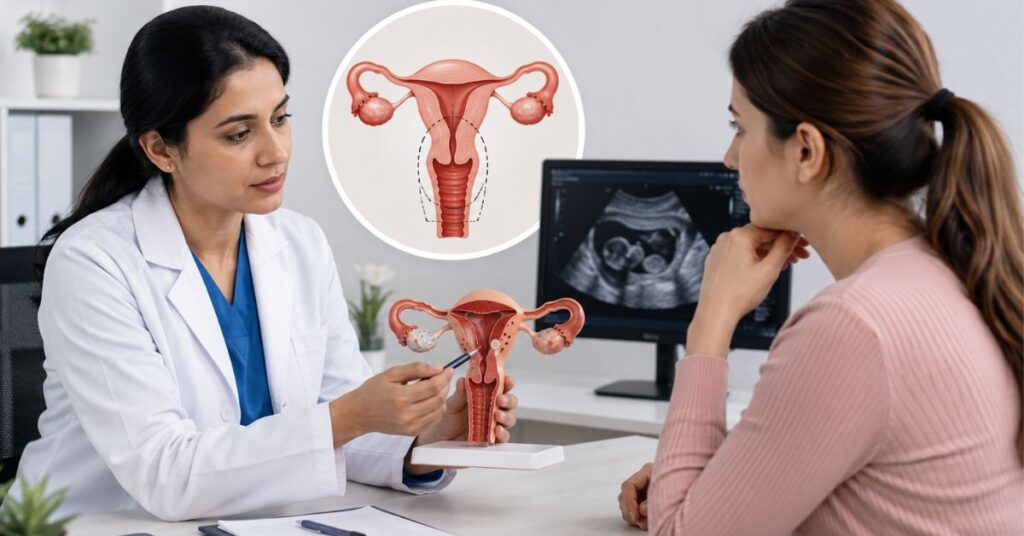
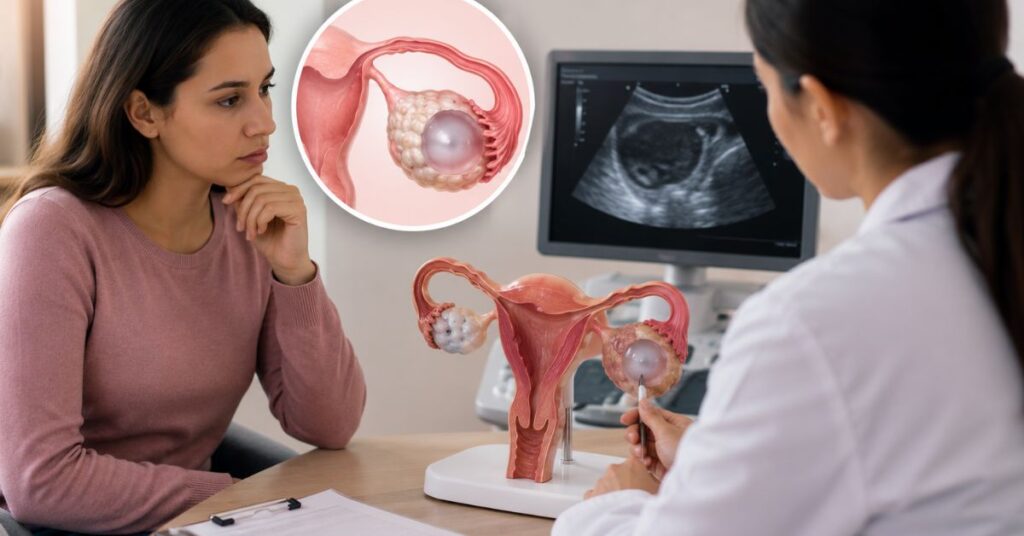
Uterine fibroids are non-cancerous growths that arise from the muscle layer of the uterus, she says, and adds, ‘They are particularly common in women between the ages of 30 and 45, though they can occur earlier. Some women may not experience symptoms, while others suffer from heavy or prolonged menstrual bleeding, painful cramps, anemia due to blood loss, pelvic pressure, bloating, and frequent urination. In certain cases, fibroids can also interfere with fertility or increase the risk of pregnancy complications. The impact of fibroids varies depending on their size, number. and position within the uterus.
Adenomyosis is a condition that is less widely known but equally disruptive. Dr Agarwal explains, “It occurs when the inner lining of the uterus grows into the muscular wall, causing thickening and enlargement of the uterus. Women affected by adenomyosis often report severe menstrual cramps, unusually heavy or long periods, lower back pain, pain during intercourse, and chronic pelvic discomfort that extends beyond menstruation. Because these symptoms overlap with fibroids or endometriosis, adenomyosis is frequently diagnosed late. In many women, both conditions may exist together, leading to more intense symptoms and added treatment challenges.”
For decades, hysterectomy, or removal of the uterus, was viewed as the most reliable solution when medications faded, especially for women who had completed their families.
While hysterectomy removes the disease, doctors now understand that it can also bring lasting consequences. These may include early hormonal changes, pelvic floor weakness, sexual health concerns, and emotional effects related to loss of an organ closely tied to identity and well-being. As medical understanding has grown, the focus has shifted away from viewing the uterus as expendable. The uterus is not a vestlgeal organ. The doctor further adds, “Modern gynaecology now offers effective uterus-preserving treatments that aim to relieve symptoms while maintaining overall health. For women with fibroids, laparoscopic myomectomy has become a widely accepted option. This minimally invasive procedure removes only the fibroids through small incisions, leaving the uterus intact. Compared to open surgery, it results in less pain, lower blood loss, faster recovery, and minimal scarring. It also preserves fertility and significantly improves day-to-day comfort, even for women who do not plan future pregnancies.”
She goes on to add. “Treating adenomyosis without removing the uterus was once difficult, but newer techniques such as microwave ablation have expanded treatment choices. In this procedure, controlled heat energy is used to target adenomyotic tissue inside the uterus. This helps reduce heavy bleeding and pain while preserving uterine structure. Recovery is generally quicker, and many women experience meaningful improvement in symptoms, although careful evaluation is needed to determine suitability.”
“Early diagnosis plays a vital role in successful treatment. Many women delay seeking care because they normalize pain or feel hesitant to discuss menstrual problems. Persistent pain, heavy bleeding that disrupts daily life, or worsening symptoms should always prompt medical evaluation. Greater awareness can help women access timely, uterus-preserving care and protect long-term physical and emotional health,” concludes Dr. Agrawal.
Dr. Megha Agrawal, an experienced Obstetrician, Gynecologist, and Laparoscopic Surgeon in Indore, is committed to helping women understand that severe period pain is not normal and should not be ignored.